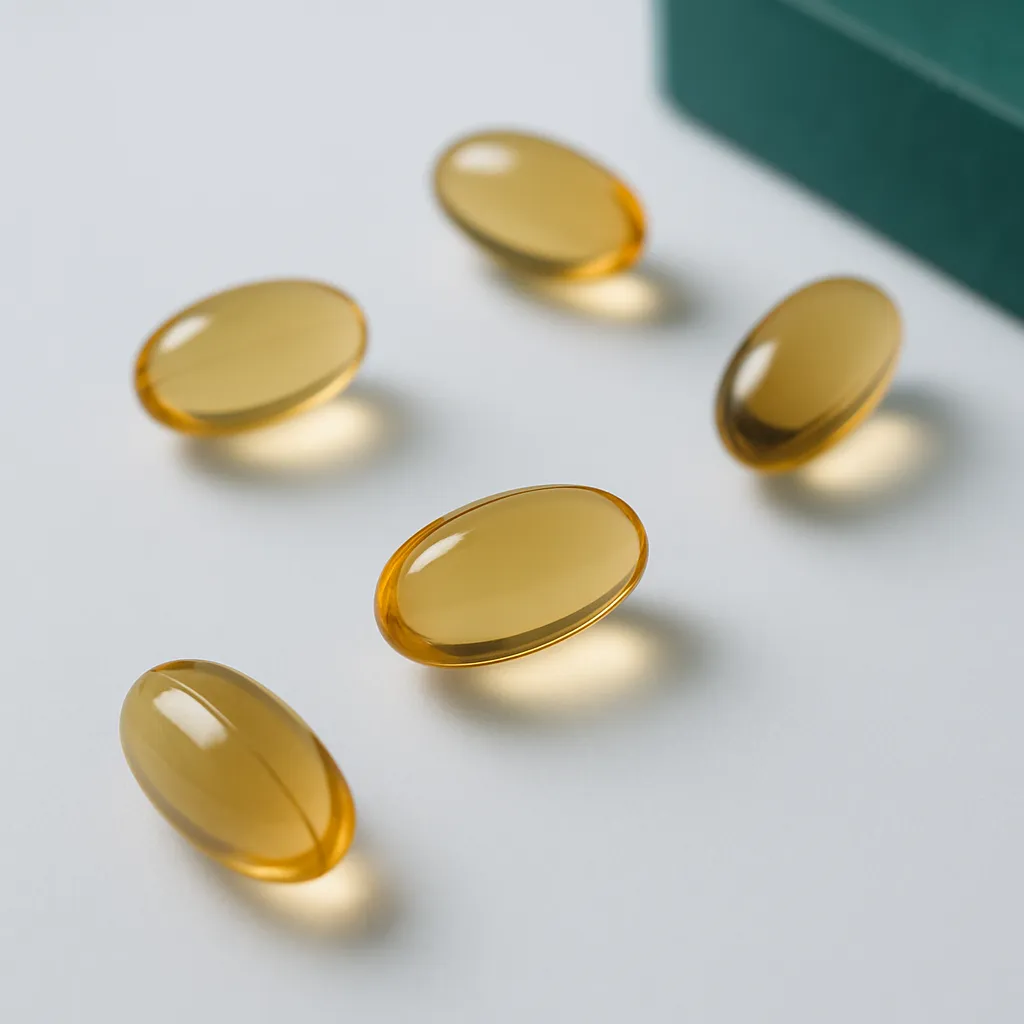
Nordic Naturals Ultimate Omega
Provides 1280mg omega-3s (650mg EPA, 450mg DHA) per 2-softgel serving in absorbable triglyceride form. Evidence for cardiovascular benefit is mixed: primary-prevention trials (VITAL) showed no major-event reduction, while high-dose EPA (REDUCE-IT) and meta-analyses suggest dose-dependent benefit. Not medical advice.
Rate this pick
Our own community ratings — from confirmed Amazonia readers, never Amazon. Yours helps the next person decide, and steers what we feature next.
What does the research say about the Nordic Naturals Ultimate Omega?
Every claim below is tied to a source you can open, quoted verbatim — how we research picks.
-
“Supplementation with n-3 fatty acids did not result in a lower incidence of major cardiovascular events or cancer than placebo.”
In VITAL (25,871 adults), 1 g/day marine omega-3 did NOT reduce major cardiovascular events vs placebo, though secondary analyses suggested fewer heart attacks, especially in low-fish-eaters.
Manson JE et al., New England Journal of Medicine (VITAL) · 2019 ↗ -
“icosapent ethyl reduced total primary endpoint events (61 vs. 89 per 1,000 patient-years for icosapent ethyl versus placebo, respectively; rate ratio: 0.70; 95% confidence interval: 0.62 to 0.78; p < 0.0001)”
In REDUCE-IT, high-dose prescription EPA (4 g/day) reduced ischemic events in statin-treated patients with high triglycerides, but raised atrial-fibrillation and bleeding risk — a far higher, purified dose than any OTC fish oil.
REDUCE-IT total-events analysis, JACC · 2019 ↗ -
“Risk reductions appeared to be linearly related to marine omega‐3 dose.”
Meta-analysis of 13 RCTs (127,477 participants) found marine omega-3 associated with modestly lower risk of myocardial infarction and CHD death (not stroke), with benefit appearing dose-dependent.
Hu Y, Manson JE et al., J. Am. Heart Assoc. · 2019 ↗
Educational summary of the research — not medical or veterinary advice. Evidence strength varies and individual results differ; talk to a qualified professional before changing your (or your pet's) health routine.
How does the Nordic Naturals Ultimate Omega compare?
| Fish oil (EPA/DHA) | Algae omega-3 | Krill oil | |
|---|---|---|---|
| Source | Wild-caught fish | Cultivated algae (vegan) | Antarctic krill |
| Provides EPA + DHA | Yes, both, high dose | Yes (often DHA-dominant) | Yes, lower per capsule |
| Dose to hit ~1000mg+ EPA+DHA | 1-2 softgels | 1-2 softgels | Several capsules |
| Notes | rTG aids absorption | Best vegan option, pricier | Phospholipid form, lower potency |
Buy it if
- People who eat little fatty fish and want to raise EPA/DHA intake
- Buyers who prioritize absorbable triglyceride form and traceable sourcing
- Those wanting a high dose per serving without taking many capsules
- Higher-risk individuals advised by a clinician to supplement
Skip it if
- People who already eat 2+ servings of fatty fish weekly
- Anyone expecting it to prevent or treat heart disease
- Vegans/vegetarians (choose an algae-based omega-3)
Is the Nordic Naturals Ultimate Omega worth it?
A well-formulated, transparently sourced, high-potency triglyceride-form fish oil — among the better OTC options. But buy it for honest reasons: omega-3 cardiovascular evidence is mixed, with no proven major-event reduction in general-population supplementation. Dietary support, not disease prevention. Not medical advice.
Check price on Amazon Live price & reviews on AmazonQuestions, answered
- Is the triglyceride form actually better?
- Studies suggest triglyceride/rTG omega-3s absorb somewhat better than the ethyl-ester form in many low-cost supplements. It's a real formulation advantage, though it matters more for absorption efficiency than any specific outcome. Source Dyerberg et al. 2010, bioavailability (PLEFA) ↗
- Will this prevent heart disease?
- No supplement should be sold on that promise. Evidence is genuinely mixed: general-population trials (VITAL) found no reduction in major events, while high-dose prescription EPA (REDUCE-IT) helped specific higher-risk groups. Treat it as dietary support. Talk to your doctor. Source Manson et al., NEJM (VITAL) ↗REDUCE-IT total-events analysis, JACC ↗
- How does the dose compare to research?
- At 1280mg total omega-3 per serving it exceeds the ~840mg-1g/day used in VITAL, but is far below the 4g/day purified EPA in REDUCE-IT. Meta-analysis data suggest benefit may be dose-dependent above ~840mg/day. Source Manson et al., NEJM (VITAL) ↗Hu/Manson et al., J. Am. Heart Assoc. ↗
- Fish oil or algae omega-3 — which should I choose?
- Fish oil like this one delivers both EPA and DHA at a high dose in absorbable triglyceride form, hitting ~1000mg+ EPA+DHA in one or two softgels. Algae omega-3 is the best option if you're vegan or vegetarian — it's often DHA-dominant and pricier. Krill oil uses a phospholipid form but is lower potency, so you need several capsules to match the dose. For most fish-eaters wanting a high dose, fish oil; for plant-based diets, algae.
- Isn't the evidence that fish oil helps your heart basically null?
- Largely, for the general population — and we won't overstate it. A Cochrane review concluded that increasing EPA/DHA has little or no effect on deaths and cardiovascular events, rated high-certainty evidence. The nuance is dose: meta-analysis data suggest risk reductions are linearly related to marine omega-3 dose, and high-dose prescription EPA (REDUCE-IT) helped specific higher-risk patients. Treat this as dietary support if you skip fish, not heart-disease prevention. Not medical advice. Source Cochrane Review (Abdelhamid et al.) ↗Hu/Manson meta-analysis (J Am Heart Assoc) ↗