I keep what's harmful out of my home — and I want the receipts.
What's not in it.
The non-toxic home, backed by the receipts — water, air, cookware, and storage without the forever-chemicals, lead, and plastics, each with the studies. Educational, not medical advice.
The index
Everything a low-tox home should think about
Browse by what matters. Each lane is hand-curated — start where you are.
All picks
Every pick in this space
Before you buy
Questions, answered
- What is actually worth worrying about at home?
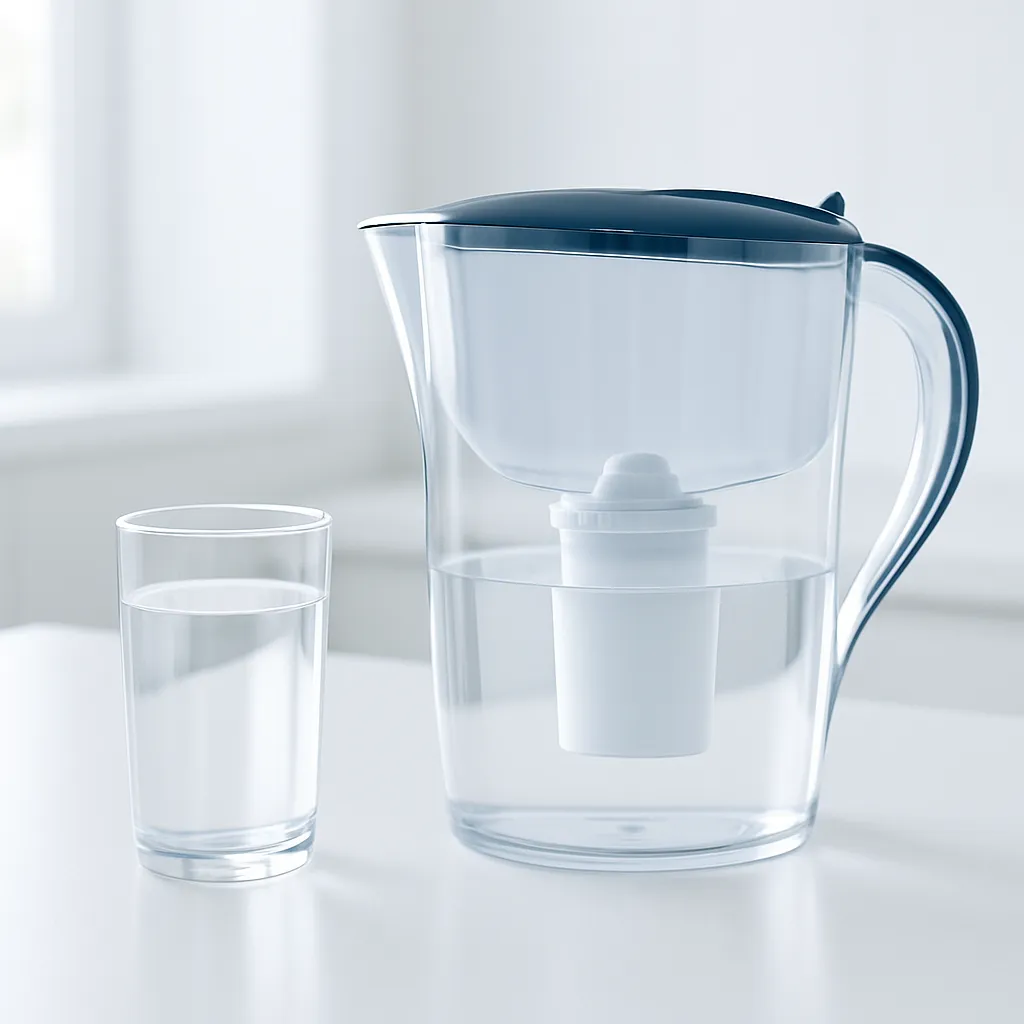
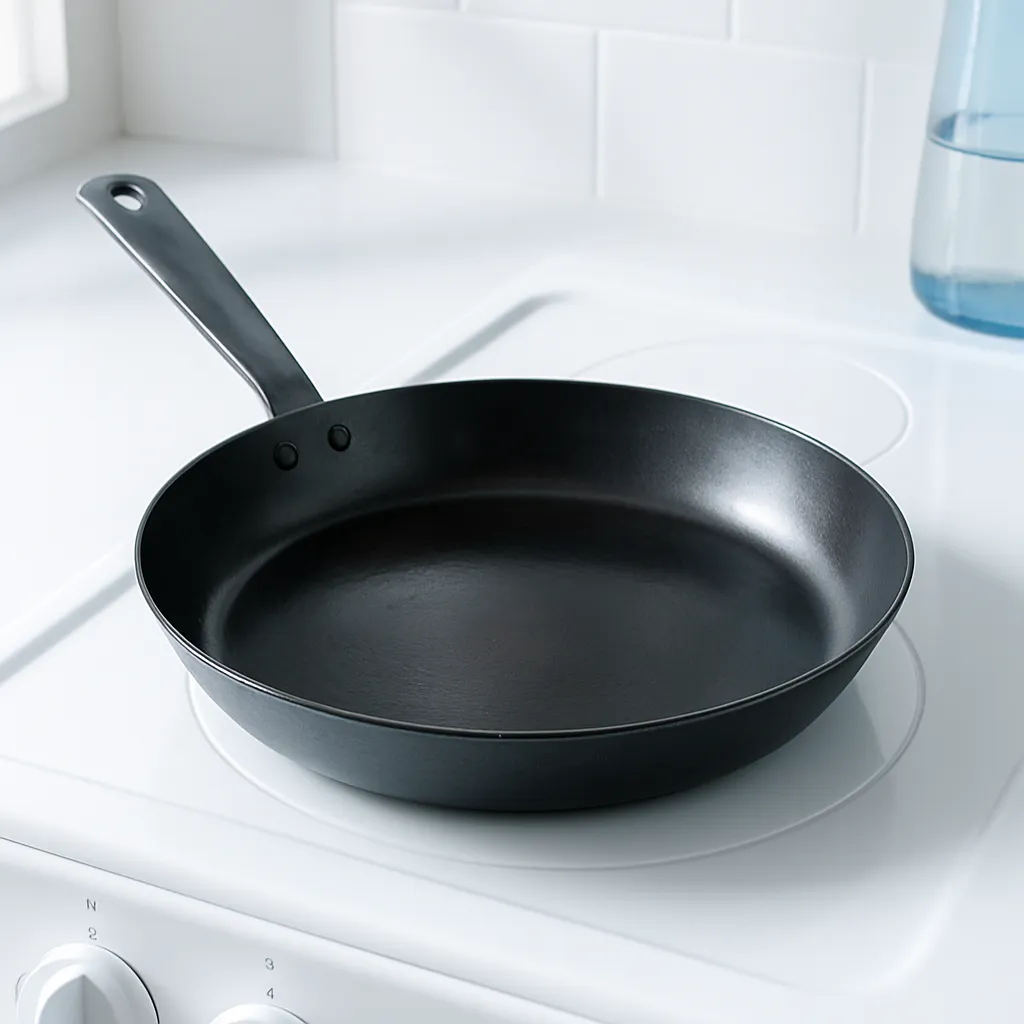
The well-evidenced ones: PFAS ("forever chemicals") in water and non-stick coatings, lead in old plumbing, and BPA/phthalates plus microplastics that leach from plastic when heated. Each pick here targets one of those, with the study attached.
- Does "BPA-free" mean a plastic is safe?
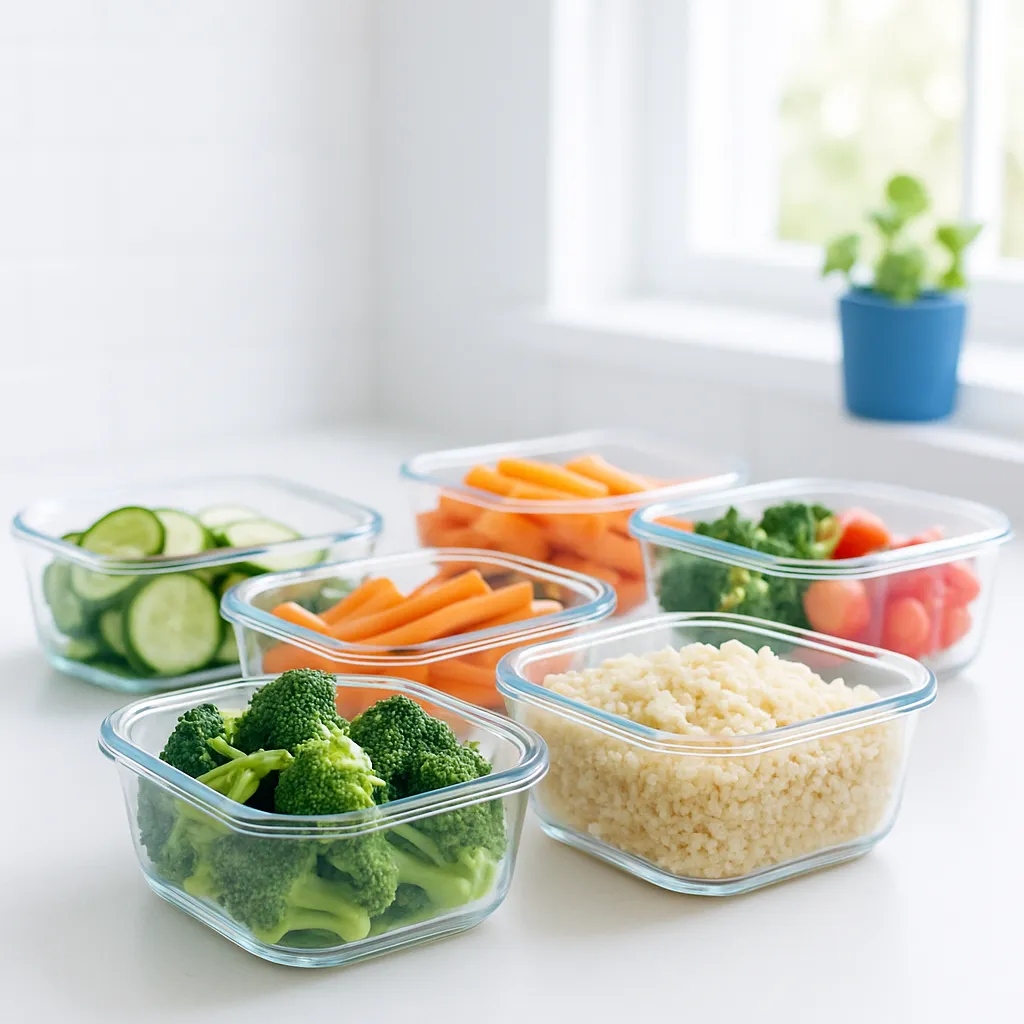
Not necessarily. "BPA-free" plastics often swap in substitute bisphenols, and heated plastic still sheds microplastics and migrates plasticizers. Inert glass or stainless sidesteps the question for anything that touches hot food.
- Where do I get the most benefit first?
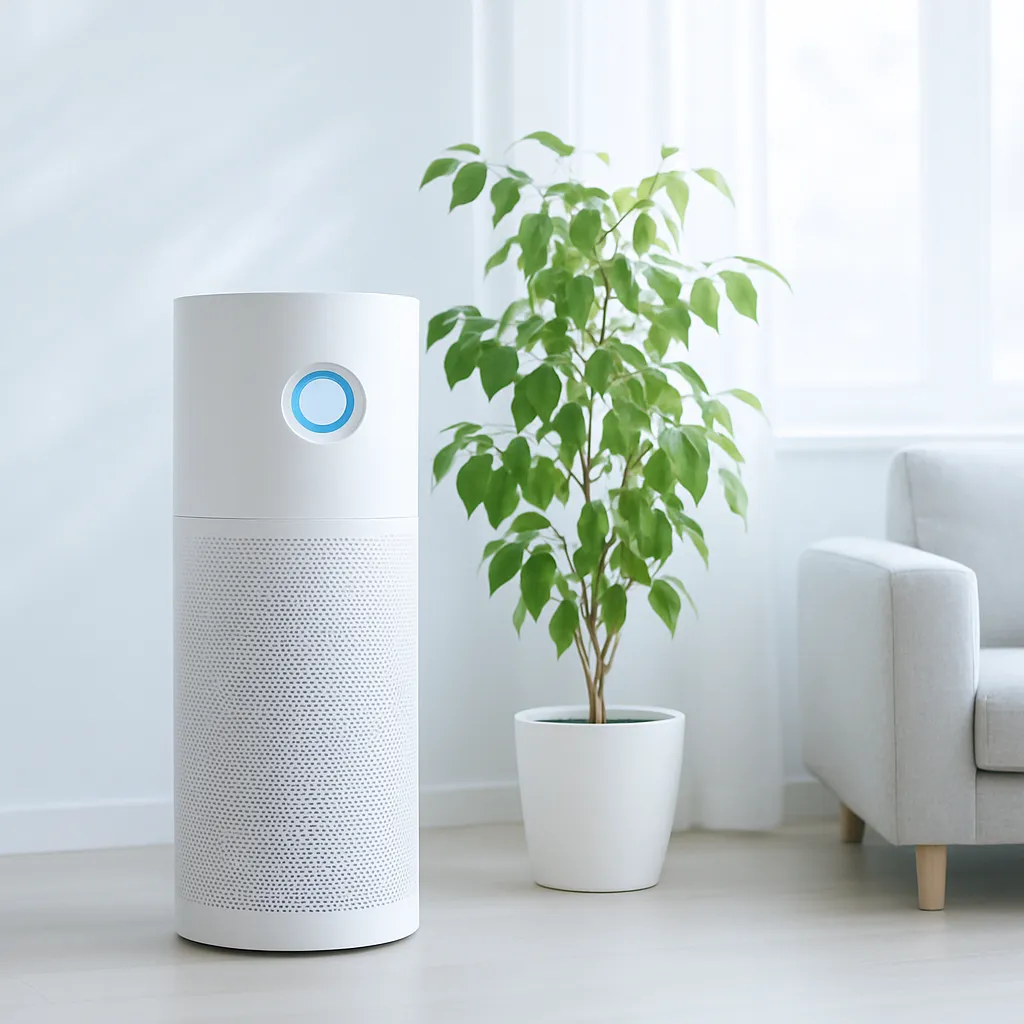
Water and air tend to give the biggest, best-evidenced return: a certified filter for lead/PFAS, and a True-HEPA purifier for indoor PM2.5. Then swap non-stick for an uncoated pan and plastic for glass as they wear out.
SourceUS EPA — HEPA filter ↗