Rechargeable Motion Sensor Night Lights, 8-Pack, 3000K Warm White, Magnetic Mount
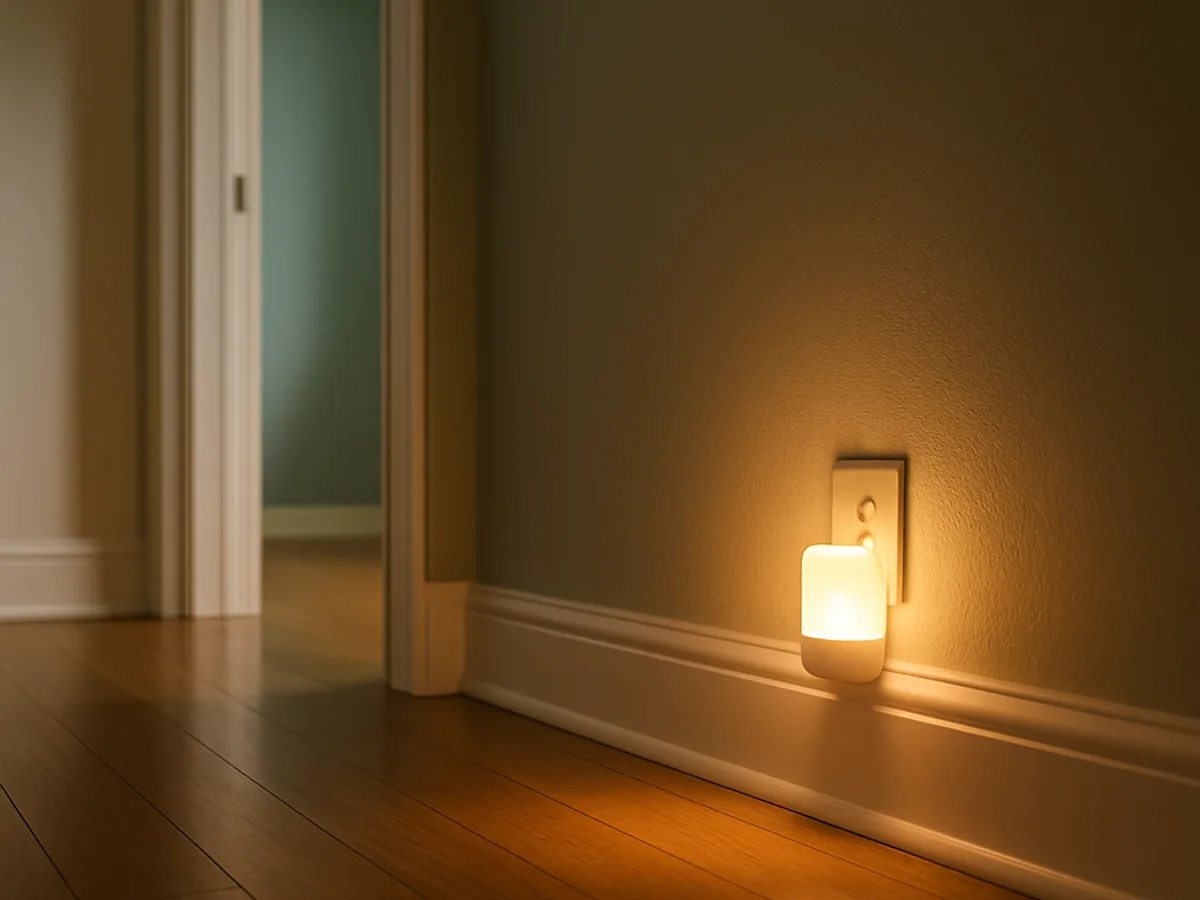
For a nighttime bathroom-trip path, a set of warm-white, motion-activated night lights is the highest-value, lowest-effort lighting upgrade. This rechargeable 8-pack lets a caregiver light the bedside, hallway, bathroom doorway, and stairs in one go, with no wiring and no switches to find in the dark. Lighting is a genuine, evidence-backed fall-hazard reducer, but it is only one layer: it does nothing for balance, strength, medications, or vision, so pair it with a proper falls assessment.
Rate this pick
Our own community ratings — from confirmed Amazonia readers, never Amazon. Yours helps the next person decide, and steers what we feature next.
What does the research say about the Rechargeable Motion Sensor Night Lights?
Every claim below is tied to a source you can open, quoted verbatim — how we research picks.
-
“Environmental factors such as lack of handrails, poor lighting, slippery or uneven surfaces, use of walking aids and poor footwear can also play a role.”
Poor/dim lighting is a recognized environmental fall hazard for older adults
PMC - Multifactorial interventions for preventing falls in older people living in the community (meta-analysis) · 2020 ↗ -
“Home regions with lighting levels of 30 footcandles (323 lux) had a 50% lower rate of falls (RR=0.50, p=.04) as compared to rooms below this lighting threshold”
Better home lighting is associated with fewer falls in older adults
PMC - Environmental features contributing to falls in persons with vision impairment: the role of home lighting and home hazards · 2021 ↗ -
“Some nightlights have sensors and go on by themselves after dark or in response to motion.”
Night-lights, including motion-activated ones, are a recommended fix for the bedroom-to-bathroom path
NCOA - 18 Steps to Fall-Proofing Your Home · 2024 ↗
Educational summary of the research — not medical or veterinary advice. Evidence strength varies and individual results differ; talk to a qualified professional before changing your (or your pet's) health routine.
How does the Rechargeable Motion Sensor Night Lights compare?
| These motion night lights | Leaving a lamp/overhead on | No night lighting | |
|---|---|---|---|
| Lights the path only when someone gets up | Auto-on by motion, off after motion stops | Stays on all night; must remember to turn on | Never |
| Effect on night vision & sleep | Warm, dim, brief - preserves dark adaptation | Bright constant light can disrupt sleep | Total darkness - hardest on aging eyes |
| Covers the whole route (bed to bath) | Multipack placed along the entire path | Only the one spot with the lamp | No coverage |
| Effort & energy | Low; recharge every few weeks | Runs continuously; more energy, manual | None, but leaves the hazard |
| Addresses the lighting fall-hazard | Adds light where and when it's needed | Adds light but with glare and waste | Leaves a known, dark fall hazard |
Buy it if
- Older adults who get up at night for the bathroom and currently walk the route in the dark
- Caregivers wanting a fast, low-cost lighting upgrade across bedside, hallway, and bathroom
- Renters or anyone who can't hardwire lights - magnetic/adhesive mount, no outlet or wiring needed
- Homes where a wall switch isn't reachable from the bed or the top/bottom of stairs
Skip it if
- Anyone who wants a permanent, always-on fixture and won't remember to recharge the batteries
- Someone needing bright task lighting for reading or steep stairs - these are low, ambient lights
- People treating a night light as a substitute for a real falls assessment, strength/balance work, or grab bars
Is the Rechargeable Motion Sensor Night Lights worth it?
The best single lighting move for a nighttime bathroom path: a warm-white, motion-activated, rechargeable multipack that a caregiver can deploy in minutes with no wiring. Lighting is an evidence-backed fall-hazard reducer, but it's one layer - combine it with a professional falls assessment, balance/strength work, and medication review.
Check price on Amazon Live price & reviews on AmazonQuestions, answered
- Why use motion night lights instead of just leaving a lamp or overhead light on?
- Motion lights switch on automatically the instant someone gets up, so a groggy older adult never crosses a dark stretch or fumbles for a wall switch, and they turn off on their own afterward. Their warm, dim glow protects night vision and sleep, unlike a bright lamp left on all night, and a multipack lights the entire route rather than one fixed spot. As NCOA puts it: "It's best if you can have motion sensor lights, so you don't have to worry about turning lights on yourself." Source NCOA - 18 Steps to Fall-Proofing Your Home ↗
- Does better lighting really reduce falls?
- Research links brighter home lighting with fewer falls: one study of older adults found roughly a 35% lower fall rate per year for each 10-fold increase in lighting, and rooms at 30 footcandles (323 lux) had a 50% lower fall rate than dimmer rooms. Lighting is a low-cost, meaningful layer, but it is an association, not a guarantee for any one person. Source PMC - Home lighting and home hazards in persons with vision impairment ↗
- Is lighting enough on its own to prevent falls?
- No. Lighting is one layer of a multifactor plan and does not fix balance, strength, medication side effects, or vision. Most falls result from multiple interacting factors, and the more risk factors a person has, the greater their chance of a fall. Ask a doctor or occupational therapist for a falls-risk assessment and pair lighting with things like strength/balance exercise, a medication review, and grab bars. This is general information, not medical advice. Source PMC - Multifactorial interventions for preventing falls (meta-analysis) ↗NCOA - 18 Steps to Fall-Proofing Your Home ↗
- Where should I place them, and why warm white instead of bright light?
- Put lights at the bedside, along the bedroom-to-bathroom path, at the bathroom doorway, and at the top and bottom of any stairs. NCOA advises placing nightlights along the route so you can see where you're walking. Warm 3000K light is chosen because it's dim enough to preserve dark-adapted night vision and avoid the jolt and sleep disruption of a bright, bluish light in the middle of the night. Source NCOA - 18 Steps to Fall-Proofing Your Home ↗