I'm keeping the people I love safe and independent in their own home.
Independence, made safer.
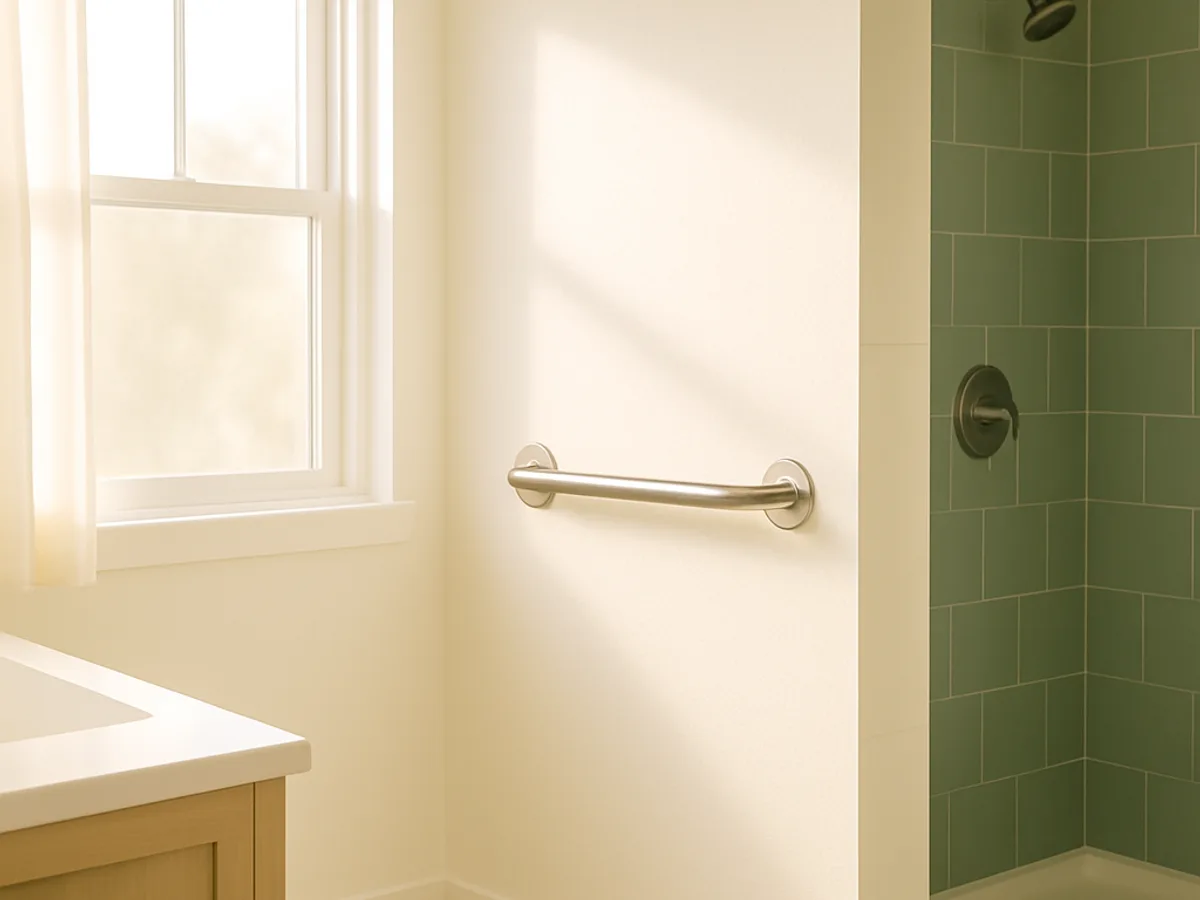
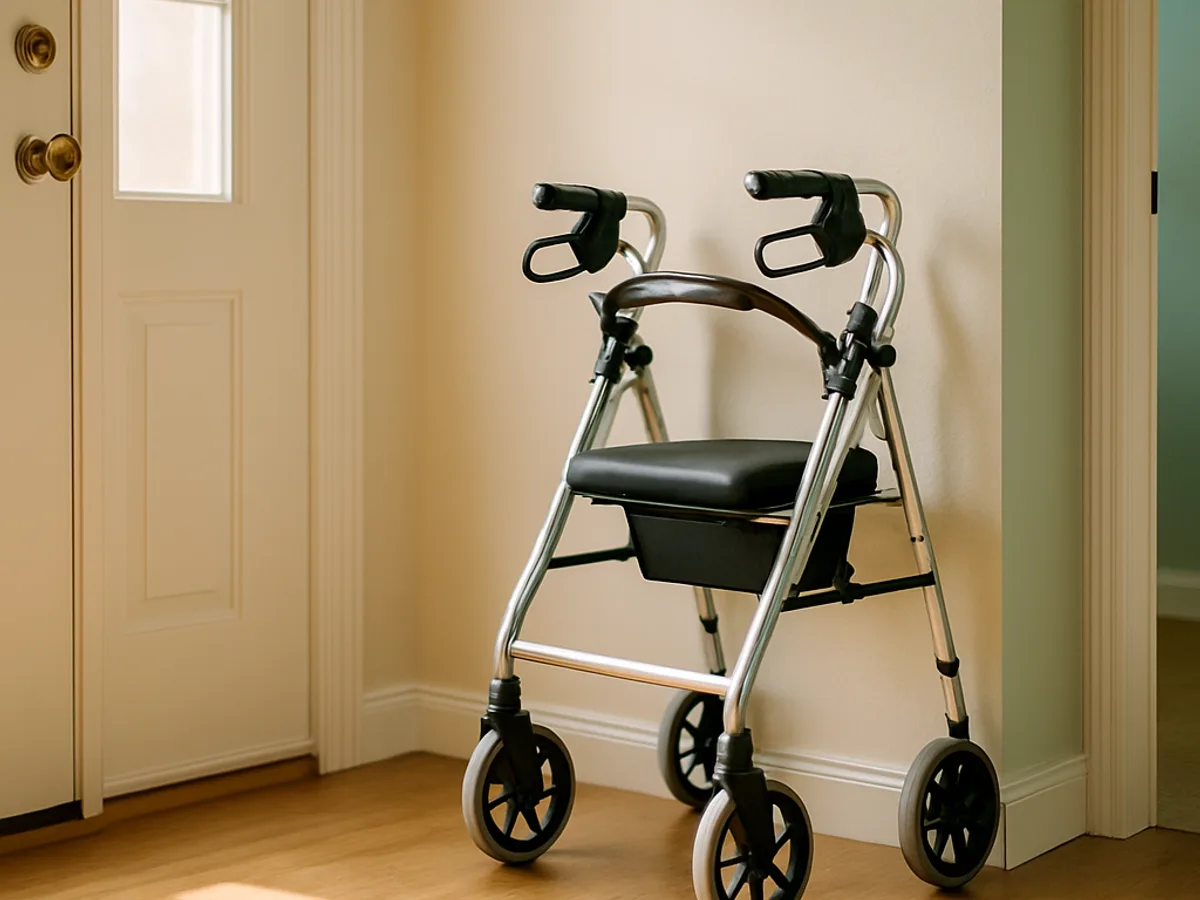
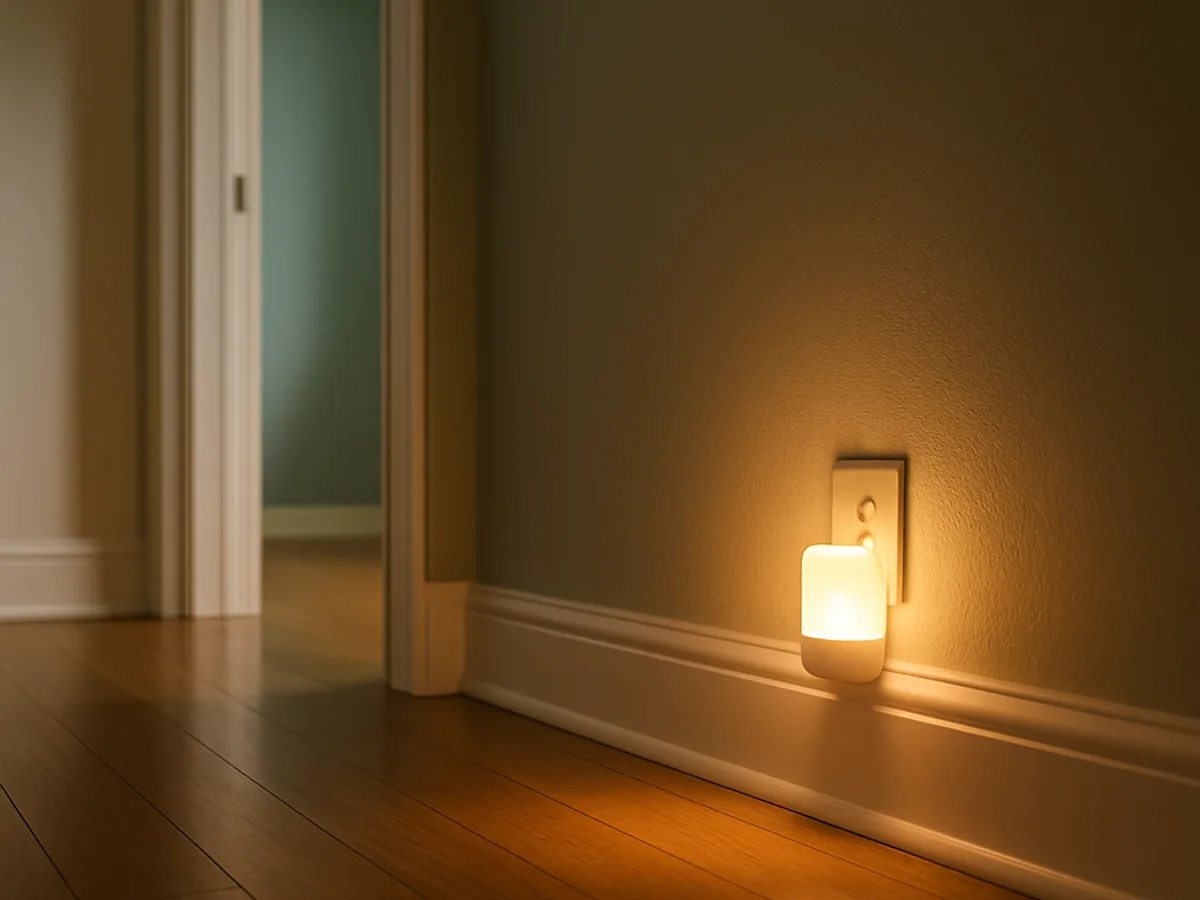
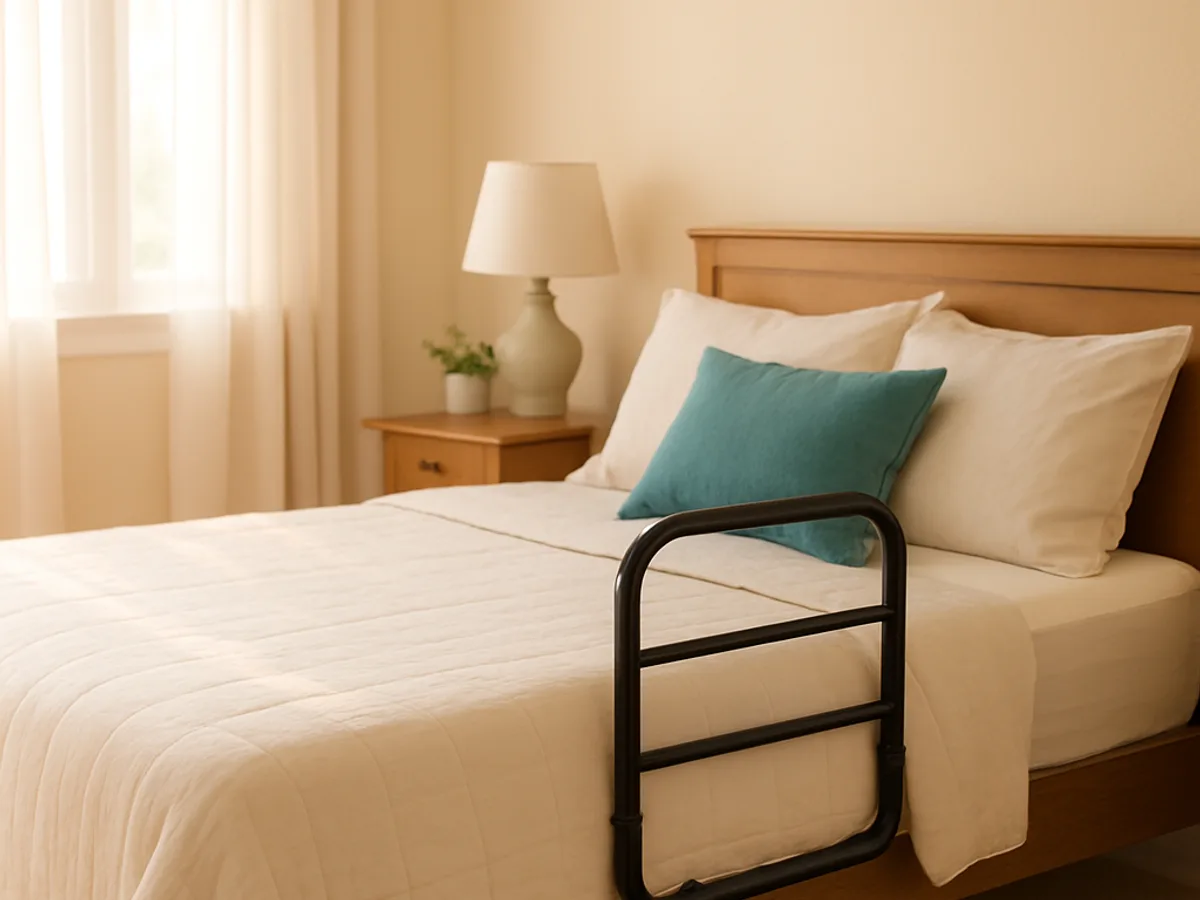
The gear that helps an older adult stay safe and independent at home — a weight-bearing grab bar for the bathroom (where most falls happen), a lit path for the 3 a.m. trip, a mobility aid that fits, and steady support getting in and out of bed. Every pick is one layer of a plan; the foundation is a fall-risk assessment from a doctor or therapist.
The index
Everything a caregiver should think about
Browse by what matters. Each lane is hand-curated — start where you are.
All picks
Every pick in this space
Before you buy
Questions, answered
- Where do I start?
Start in the bathroom — CDC data show it is where older adults are most likely to be injured, especially in and around the tub, shower, and toilet — with a weight-bearing grab bar anchored into studs. Then light the nighttime path to the bathroom, and add a mobility aid only if one is needed and fitted. Above all, ask a doctor or occupational/physical therapist for a fall-risk assessment first — that is the real foundation.
SourceCDC MMWR — Nonfatal Bathroom Injuries ↗NCOA — Home Safety Modifications ↗
- Do these products actually prevent falls?
They help as part of a plan — no single product is a cure. A Cochrane review found reducing home fall hazards lowers the rate of falls by about 26% (and more, ~38%, for higher-risk people), and the benefit is strongest when guided by a clinician such as an occupational therapist. Falls are usually multifactorial — balance, strength, medications, vision, and lighting all matter — so pair any gear with a professional assessment. This is general information, not medical advice.
SourceCochrane Review (Clemson 2023) via PubMed ↗CDC STEADI / Older Adult Falls ↗
- What is the single most important thing I can do?
Get a fall-risk assessment. A doctor, physical therapist, or occupational therapist can review balance, gait, medications, vision, and the home, then recommend the right combination — which may include exercise, a medication review, and specific equipment. The products here support that plan; they do not replace it.