I want to be packed and on the trail by Friday night.
Pack light. Sleep warm. Drink safe.
The gear that gets you out for the weekend and back safe — a 3-season tent that pitches in minutes, a sleeping bag with a real temperature rating, a filter that makes stream water safe (and honesty about what it can't do), and a stove that boils fast. Buy the few things that matter, learn the safety rules, and go.
The index
Everything a weekend camper should think about
Browse by what matters. Each lane is hand-curated — start where you are.
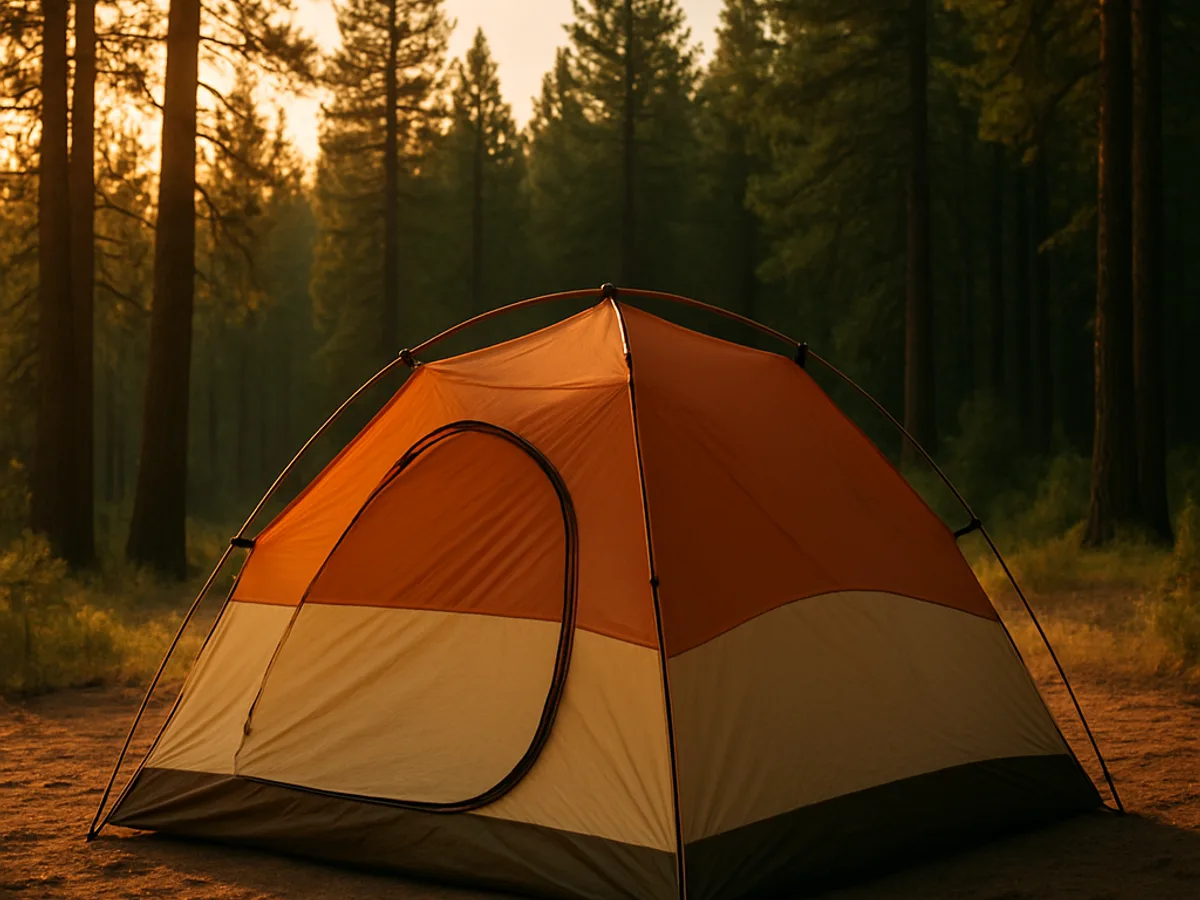
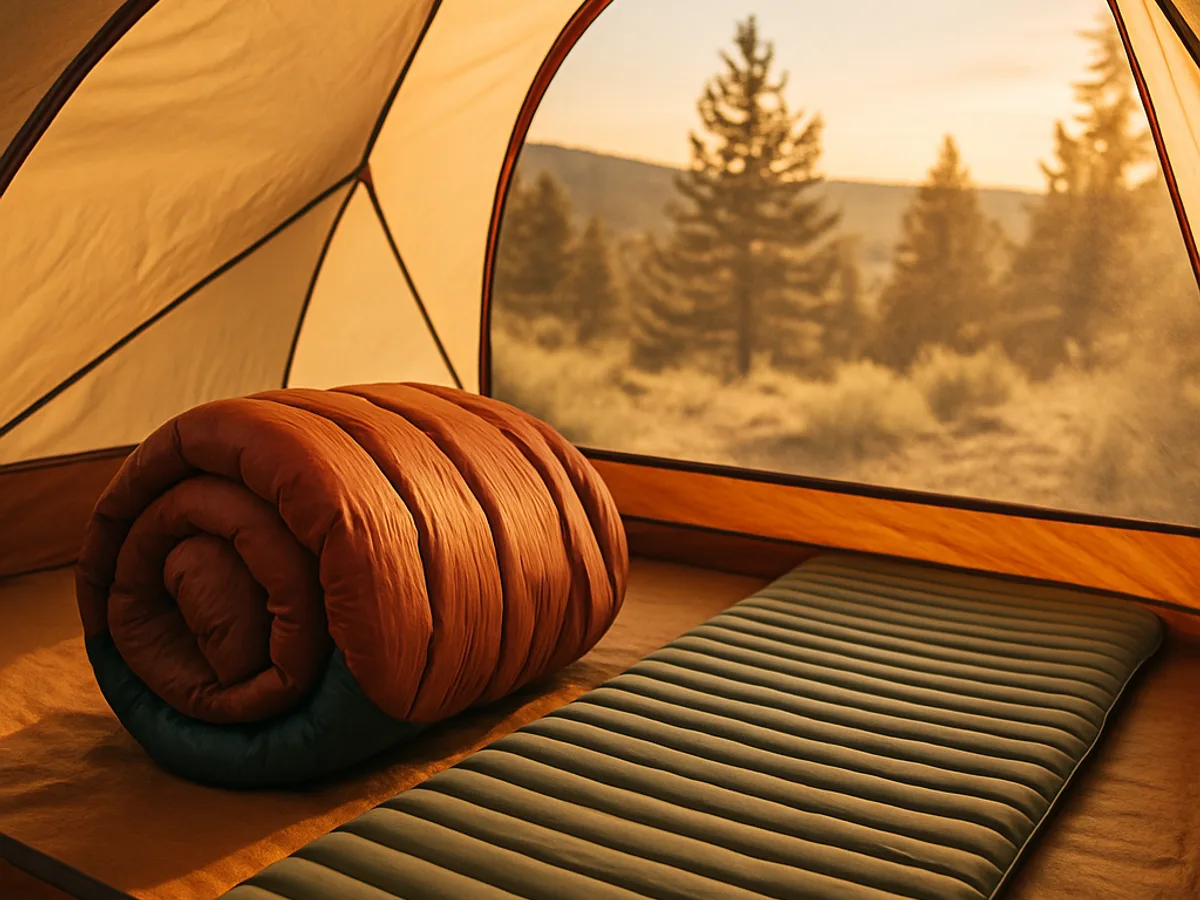
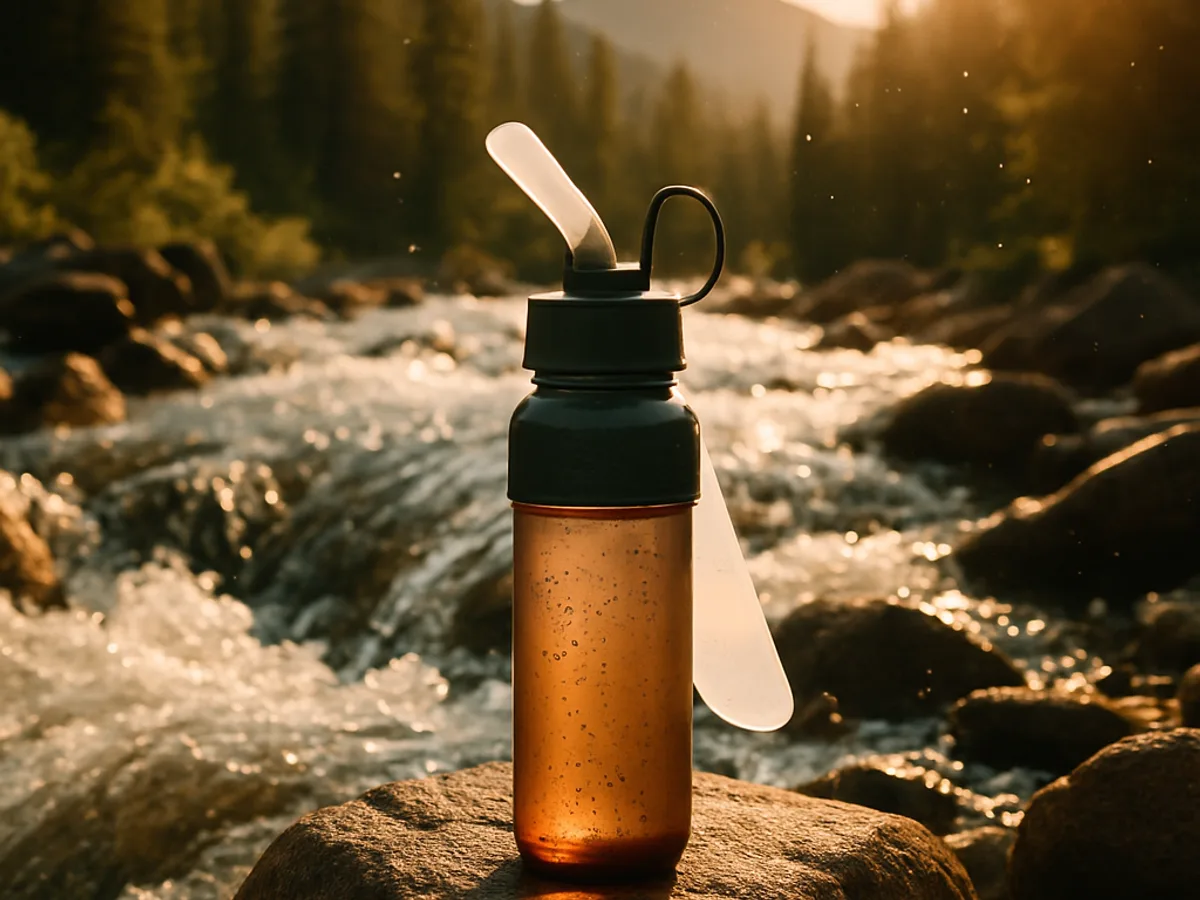
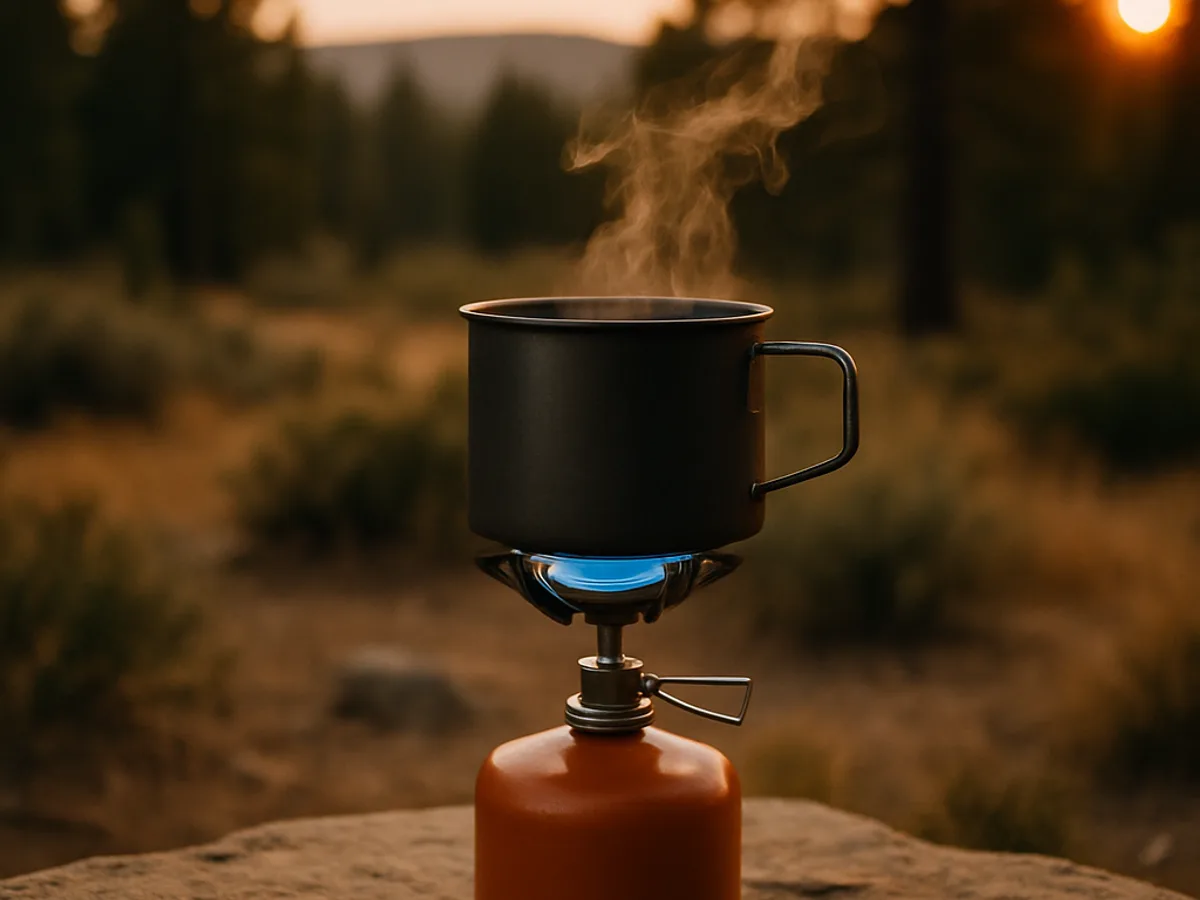
All picks
Every pick in this space
Before you buy
Questions, answered
- What do I actually need to start car camping?
Four things: a 3-season tent, a sleep system (a bag rated below the coldest night you expect plus an insulated pad), a way to make water safe, and a stove. That covers shelter, warmth, water, and food — the rest is comfort. Start with value gear, learn the safety rules, and upgrade only what you actually outgrow.
- How do I make backcountry water safe to drink?
Match the method to the threat. A 0.1-micron filter removes Giardia, Cryptosporidium, and bacteria on the spot — but not viruses. Boiling is the most reliable method because it kills everything, including viruses: a rolling boil for 1 minute (3 minutes above 6,500 ft). Virus risk is low in remote US backcountry and higher abroad, so many hikers carry a filter plus tablets or a stove as a backup.
SourceCDC — Water Treatment When Hiking or Camping ↗CDC Yellow Book — Water Disinfection for Travelers ↗
- What are the biggest safety mistakes new campers make?
Three that can genuinely hurt you. Running a fuel stove inside a tent or any enclosed space — carbon monoxide is odorless and can build to deadly levels in minutes; always cook outside. Underestimating cold — pick a bag rated below the coldest low you expect, sleep on an insulated pad, and know the signs of hypothermia. And drinking untreated water. Get the first two right and camping is remarkably safe.
SourceCDC — Carbon Monoxide Poisoning Basics ↗CDC — Recognizing Hypothermia ↗