Naturehike Cloud Up Pro 2-Person Ultralight Backpacking Tent (Freestanding, Double-Wall, 20D Nylon)
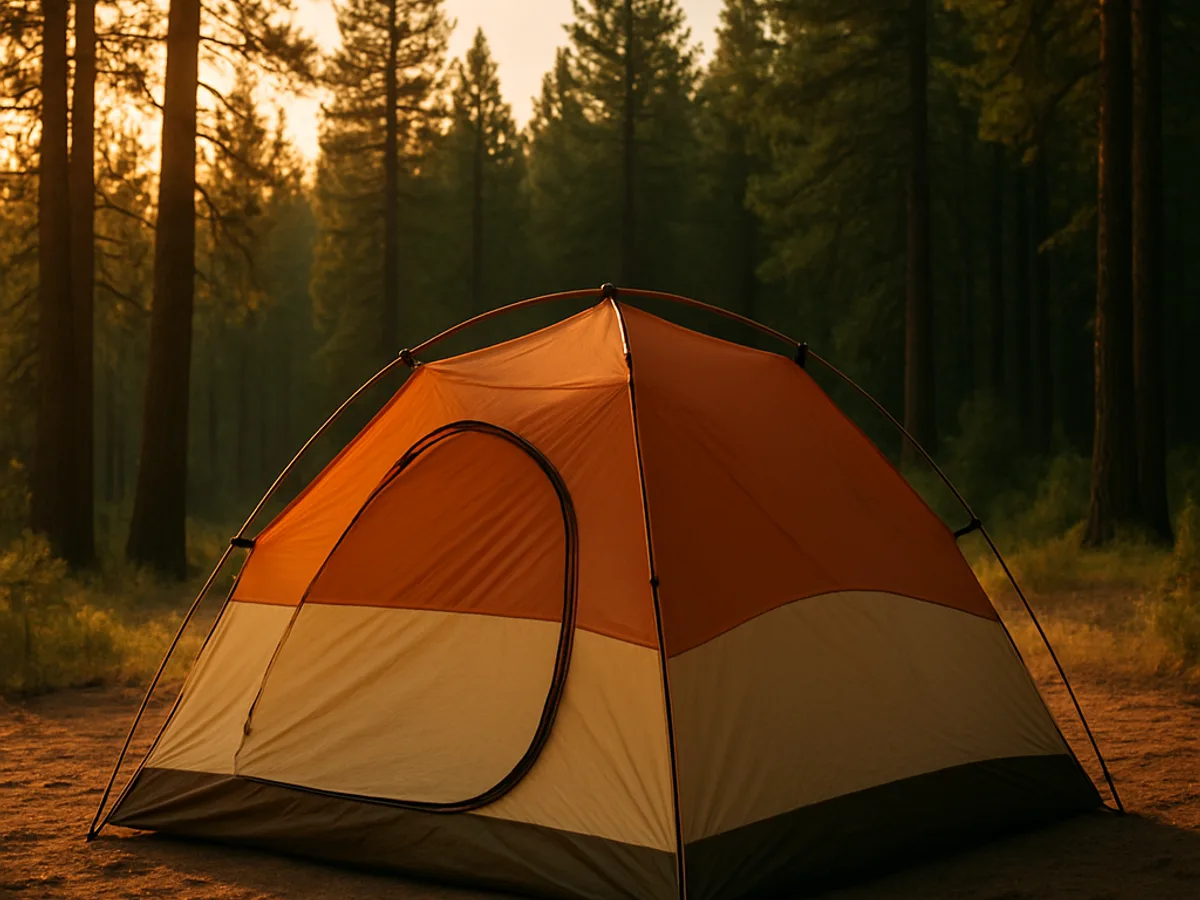
The Naturehike Cloud Up Pro 2 is the backpacking counterpart to the Coleman Sundome: a freestanding, double-wall, 20D-nylon 2-person tent with a minimum (trail) weight near 3 lb that packs to about 15.7 x 5.1 in, so you can carry it for miles instead of just from the trunk. It is a value ultralight tent, meaning it is heavier, tighter, and less durable than premium ultralight models, and it is 3-season only.
Rate this pick
Our own community ratings — from confirmed Amazonia readers, never Amazon. Yours helps the next person decide, and steers what we feature next.
What have experts found about the Naturehike Cloud Up Pro 2-Person Ultralight Backpacking Tent?
Every claim below is tied to a source you can open, quoted verbatim — how we research picks.
-
“At just 3.5 pounds, this lightweight tent made for an easy four mile hike to our campsite.”
A sub-4-lb tent is light enough to comfortably carry for miles to a campsite, which is the whole point of a backpacking shelter.
CleverHiker (Naturehike Cloud Up 2 Review) · 2025 ↗ -
“Everything from muggy and hot weather to breathing overnight in cold temperatures can create a surprising amount of moisture buildup along the tent walls. To combat this, tent makers utilize a double-wall construction, which encourages airflow by separating the tent body and rainfly.”
Double-wall tents like the Cloud Up Pro fight condensation by separating a breathable inner from a waterproof fly, encouraging airflow between the walls.
Switchback Travel (How to Choose a Backpacking Tent) · 2025 ↗ -
“But at the end of the day, 3-season tents are what most people choose and should provide suitable wind and wet-weather protection in most non-winter conditions.”
This is a 3-season tent, the category most backpackers actually want for non-winter conditions, not a 4-season mountaineering shelter.
Switchback Travel (How to Choose a Backpacking Tent) · 2025 ↗
How does the Naturehike Cloud Up Pro 2-Person Ultralight Backpacking Tent compare?
| Naturehike Cloud Up Pro 2 | Coleman Sundome (car camping) | Big Agnes Copper Spur HV UL2 (premium ultralight) | |
|---|---|---|---|
| Trail weight (2P) | ~3.0 lb (1.36 kg) | ~7.5 lb (3.4 kg) | ~3.1 lb (1.4 kg) |
| Design | Freestanding double-wall, full fly | Freestanding dome, partial fly | Freestanding double-wall, full fly |
| Best use | Backpacking / carry miles | Drive-up car camping | Ounce-counting backpacking |
| Packability | Packs to ~15.7 in, small | Bulky stuff sack | Packs very small |
| Approx. price | ~$159 | ~$60 | ~$550 |
Buy it if
- Backpackers who carry the tent miles and refuse to haul a 7.5 lb car-camping dome up a trail
- Value buyers who want a real freestanding double-wall backpacking tent for around $159, not $550
- Solo hikers or couples on shorter 3-season trips who want a light, packable, easy-to-pitch shelter
- People who want double-wall condensation protection rather than a finicky single-wall ultralight setup
Skip it if
- Winter or high-alpine mountaineers who need a 4-season tent
- Car campers who value space and durability over weight (the Coleman Sundome is cheaper and roomier)
- Ounce-counting thru-hikers who want the lowest possible weight and largest interior, and will pay premium prices for it
Is the Naturehike Cloud Up Pro 2-Person Ultralight Backpacking Tent worth it?
The genuine ultralight-value backpacking counterpart to the Coleman Sundome: a ~3 lb freestanding, double-wall, 3-season 2-person tent for around $159. You trade some space, fabric toughness, and a little weight versus $500 premium tents, but for the camper who walks past the car it is the honest sweet spot between a heavy drive-up dome and an expensive ultralight shelter.
Check price on Amazon Live price & reviews on AmazonQuestions, answered
- Car-camping tent vs backpacking tent, which should I get?
- If you sleep near the car, the ~7.5 lb Coleman Sundome is fine and cheaper. The moment you carry the tent any real distance, weight and pack size dominate: the Cloud Up Pro's ~3 lb, freestanding, double-wall build and small packed size make it a true backpacking shelter, where a car-camping dome becomes a burden. Reviewers treat the Cloud Up as a lightweight crossover that shines on shorter backpacking trips. Source CleverHiker - Cloud Up 2 Review ↗Switchback Travel - How to Choose a Backpacking Tent ↗
- What am I giving up by buying a budget ultralight tent instead of a premium one?
- Honestly: space, durability, and a little weight. The interior is cozy, and the fabric is thin. CleverHiker measured the Cloud Up 2 at 28 sq ft with a 'tight interior,' and noted the materials feel noticeably thinner than many other tents in the category, so it's important to use it with care. A budget ultralight tent is also heavier than a $500 premium tent of the same capacity. Source CleverHiker - Cloud Up 2 Review ↗Switchback Travel - Best Backpacking Tents ↗
- Is it actually waterproof, and is it good for winter?
- It is a 3-season tent. Naturehike rates the 20D nylon fly at PU3000mm+ and the floor at PU5000mm+, which handles rain and wind in non-winter conditions, but it is not built for heavy snow load or mountaineering. Switchback notes 3-season tents should provide suitable wind and wet-weather protection in most non-winter conditions. Source Naturehike - Cloud Up Pro specs ↗Switchback Travel - How to Choose a Backpacking Tent ↗
- Single-wall vs double-wall, will this tent get condensation?
- The Cloud Up Pro is double-wall, which is the design that best manages condensation: the breathable inner keeps you off the wet fly. As MSR/Cascade Designs puts it, the rainfly is 100% waterproof but not breathable and the inner tent is 100% breathable but not waterproof — combine the two and you get the benefits of both. Ventilating still matters, but double-wall is the more forgiving choice. Source MSR / Cascade Designs - Single-Wall vs Double-Wall ↗Switchback Travel - How to Choose a Backpacking Tent ↗