I hold the line at 225, and I don't guess when it's done.
Low and slow. Hot and fast.
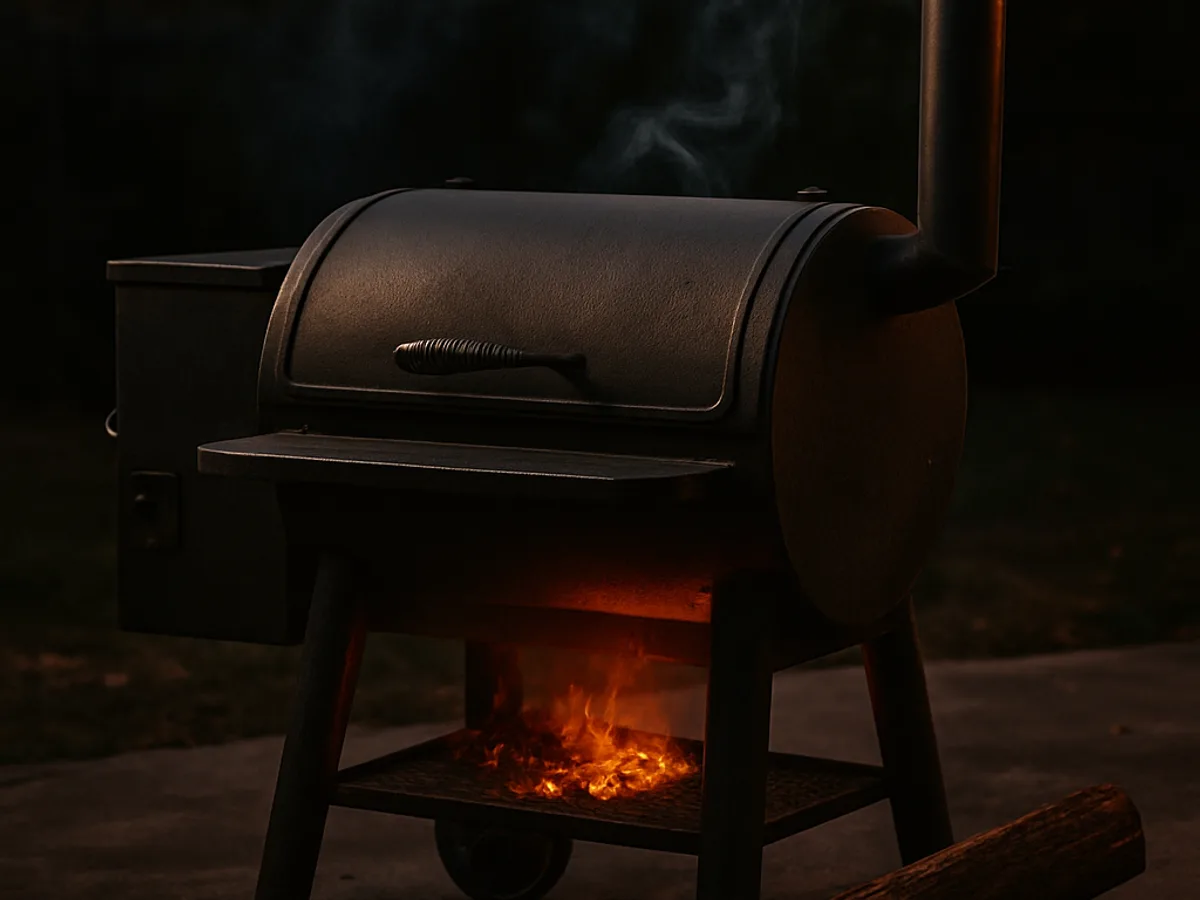
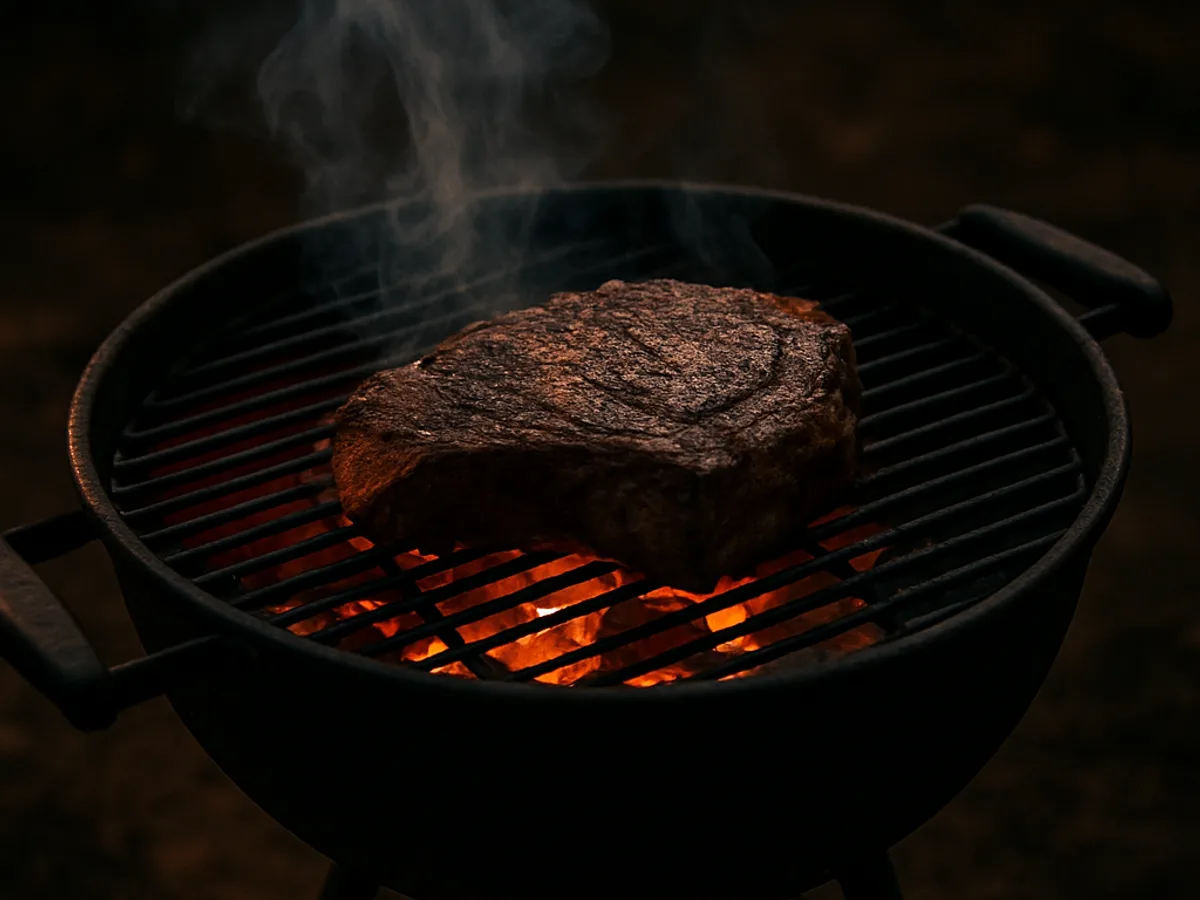
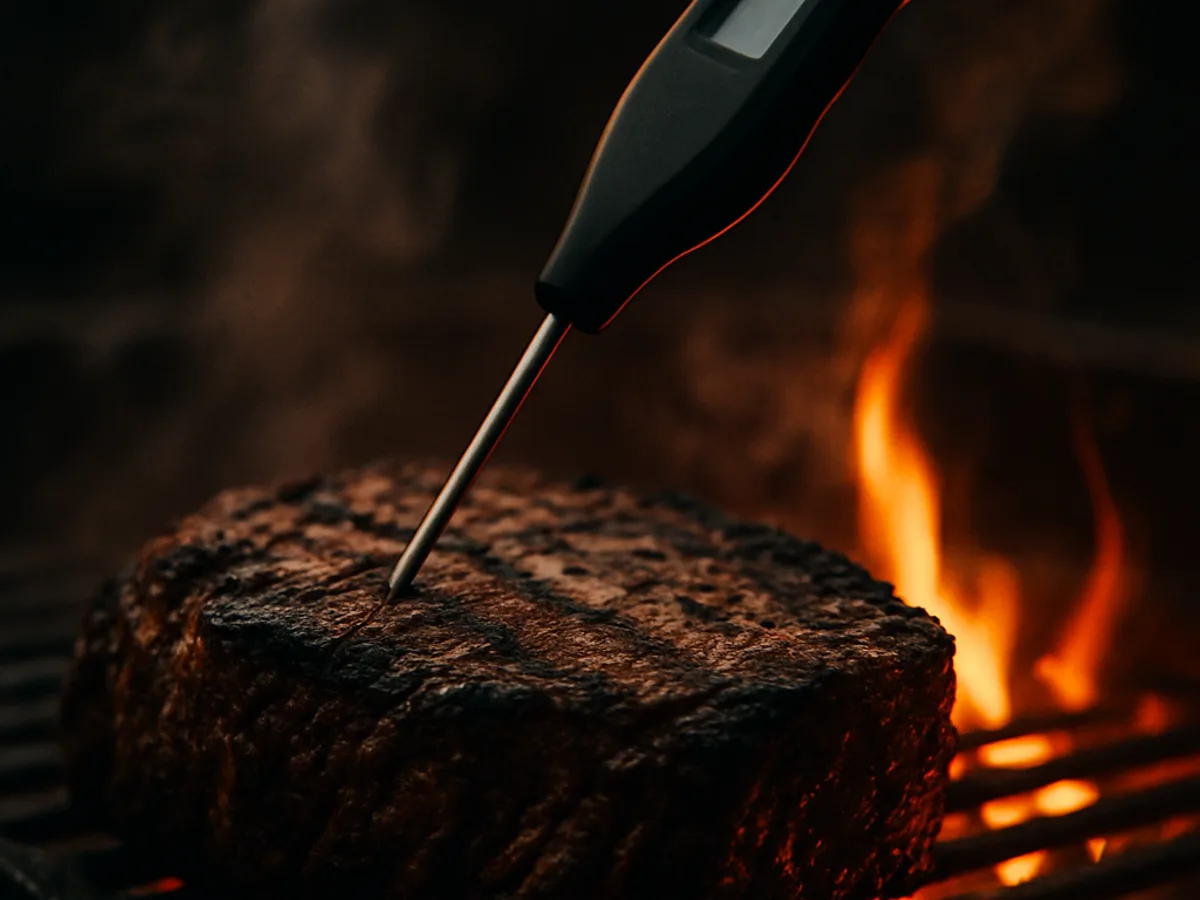
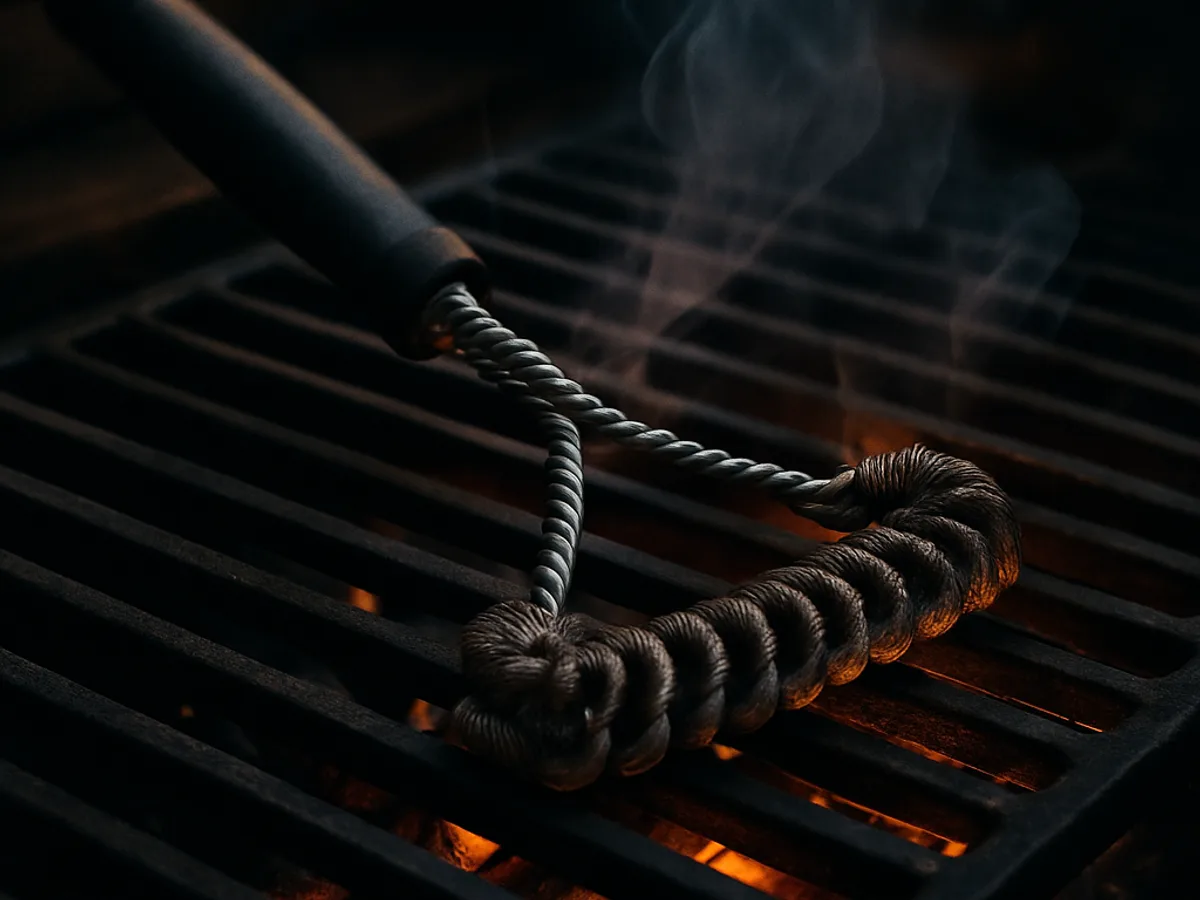
Gear for people who take the backyard seriously — the pellet smoker for low-and-slow, the charcoal kettle for a live-fire sear, the instant-read that turns "done" into a number, and the grate brush that keeps wire bristles out of your food. Cook by temperature, not by hope.
The index
Everything a backyard pitmaster should think about
Browse by what matters. Each lane is hand-curated — start where you are.
All picks
Every pick in this space
Before you buy
Questions, answered
- What should I buy first?
A good instant-read thermometer — before any grill upgrade. It is the cheapest tool here and the one that most changes both your results and your food safety, because doneness is a temperature, not a color or a poke. After that, pick your fire: a charcoal kettle if you want the hard sear, a pellet smoker if you want hands-off low-and-slow.
SourceCDC — Keep Food Safe ↗FDA — Safe Minimum Internal Temperatures ↗
- Charcoal, gas, or pellet — which grill should I get?
Charcoal sears hottest and carries the most live-fire flavor, but you manage the fire yourself. Pellet grills hold a set temperature for hours with almost no babysitting — ideal for low-and-slow smoking — but sear weakly. Gas is the most convenient and fastest to light, at the cost of flavor and peak heat. Plenty of pitmasters end up with a kettle for searing and a pellet smoker for the long cooks.
- Is grilled and smoked meat bad for me?
The honest answer: cooking meat at high heat or over open flame forms HCAs and PAHs, compounds the National Cancer Institute notes are mutagenic and may raise cancer risk. You do not have to stop grilling — the NCI says you cut them sharply by avoiding direct flame and long charring, flipping often, marinating, and trimming blackened bits. And use a thermometer so you hit safe temperatures without overcooking.
SourceNational Cancer Institute — Chemicals in Meat Cooked at High Temperatures ↗