Optimum Nutrition Micronized Creatine
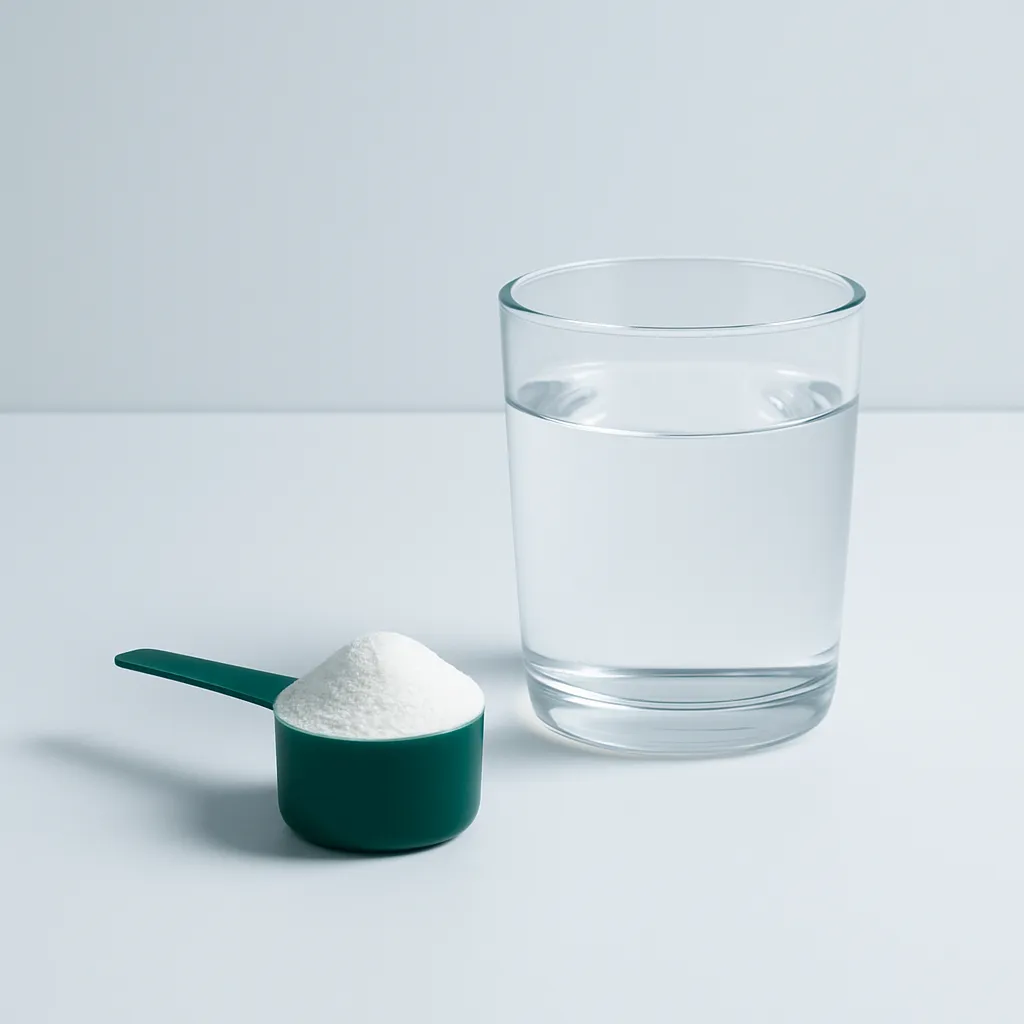
A pure, micronized creatine monohydrate delivering 5 g per serving with no fillers. Monohydrate is the form used in the large majority of creatine research and the form the ISSN calls the most effective. It's banned-substance (Informed Choice) tested. Not medical advice; consult a clinician if you have kidney disease.
Rate this pick
Our own community ratings — from confirmed Amazonia readers, never Amazon. Yours helps the next person decide, and steers what we feature next.
What does the research say about the Optimum Nutrition Micronized Creatine?
Every claim below is tied to a source you can open, quoted verbatim — how we research picks.
-
“In summary, creatine supplementation increases lean tissue mass and upper and lower body muscular strength during resistance training of older adults”
Creatine + resistance training increased lean tissue mass by ~1.4 kg and improved chest- and leg-press strength vs placebo + training in older adults.
Chilibeck et al., meta-analysis, Open Access J. Sports Medicine · 2017 ↗ -
“Creatine monohydrate is the most effective ergogenic nutritional supplement currently available to athletes with the intent of increasing high-intensity exercise capacity and lean body mass during training.”
Evidence supports creatine monohydrate as the most effective ergogenic for high-intensity capacity and lean mass, with no credible evidence of harm to kidney, liver, or cardiovascular health in healthy people at recommended doses.
Kreider et al., ISSN Position Stand, JISSN · 2017 ↗ -
“Creatine supplementation enhanced measures of memory performance in healthy individuals, especially in older adults (66–76 years).”
Meta-analysis of RCTs found creatine significantly improved memory in healthy individuals, with the effect most apparent in older adults.
Prokopidis et al., Nutrition Reviews, meta-analysis · 2023 ↗
Educational summary of the research — not medical or veterinary advice. Evidence strength varies and individual results differ; talk to a qualified professional before changing your (or your pet's) health routine.
How does the Optimum Nutrition Micronized Creatine compare?
| Creatine monohydrate | Creatine HCl | Pre-workout | |
|---|---|---|---|
| Depth of evidence | Hundreds of trials; form used in most research | Limited head-to-head data | Varies by formula |
| Typical daily dose | 3-5 g | 1-2 g (marketed) | 1 scoop pre-session |
| Best-supported benefit | Strength & lean mass w/ training | Same molecule, far less direct data | Acute energy (usually stimulant-driven) |
| Stimulants | None | None | Often (caffeine) |
Buy it if
- Lifters wanting the most-studied, lowest-risk strength and lean-mass aid
- Drug-tested athletes who need a banned-substance-tested product
- Vegetarians and vegans, who tend to have lower baseline creatine stores
- Older adults pairing supplementation with resistance training
Skip it if
- Anyone with kidney disease or on nephrotoxic medication without clinician sign-off
- People who want a flavored, all-in-one pre-workout with stimulants
- Those expecting benefits without consistent training and daily dosing
Is the Optimum Nutrition Micronized Creatine worth it?
The rational default: pure creatine in the exact form most studies use, at the standard 5 g dose, with Informed Choice testing for drug-tested users. The evidence for strength, lean mass, and (more tentatively) memory is among the strongest for any supplement. No compelling reason to pay more for 'advanced' forms. Not medical advice — check with a clinician if you have kidney concerns.
Check price on Amazon Live price & reviews on AmazonQuestions, answered
- Do I need to 'load' creatine?
- No. Loading (~20 g/day for 5-7 days) saturates muscle faster, but the ISSN review notes a steady ~3-5 g/day reaches the same saturation in a few weeks. Either works; loading just speeds it up. Source ISSN Position Stand (Kreider 2017) ↗
- Is monohydrate worth choosing over HCl or 'advanced' forms?
- For most people, yes. Monohydrate is the form in the bulk of the research and the cheapest per gram. There isn't strong evidence HCl or buffered forms produce better outcomes. Source ISSN Position Stand (Kreider 2017) ↗
- Will creatine harm my kidneys?
- Evidence in healthy people doesn't support that — the ISSN position stand reports no credible link at recommended doses. Not medical advice; if you have kidney disease or take nephrotoxic drugs, ask your doctor first. Source ISSN Position Stand (Kreider 2017) ↗
- Creatine monohydrate or a pre-workout — which should I take for strength?
- For building strength and lean mass, monohydrate. It's backed by hundreds of trials at 3–5 g daily and works by saturating muscle over time — no stimulants involved. A pre-workout is a different tool: its effect is acute and usually stimulant-driven (often caffeine), and formulas vary widely. They're not interchangeable; many lifters take creatine daily and use a pre-workout only when they want an acute lift.
- Does creatine actually work, or is it just gym hype?
- This is one of the few supplements with genuinely strong evidence. The ISSN calls creatine monohydrate the most effective ergogenic supplement for high-intensity capacity and lean mass, and a meta-analysis found it added about 1.4 kg of lean tissue versus placebo when paired with resistance training in older adults. Benefits for memory are more tentative. It only works alongside consistent training and daily dosing — not on its own. Not medical advice. Source Kreider et al., ISSN Position Stand, JISSN ↗Chilibeck et al., meta-analysis, Open Access J. Sports Medicine ↗